Laos’ enchanting UNESCO World Heritage town, blends ancient temples, French colonial architecture, vibrant markets, Mekong riverside scenery, rich traditions, and serene mountain landscapes.
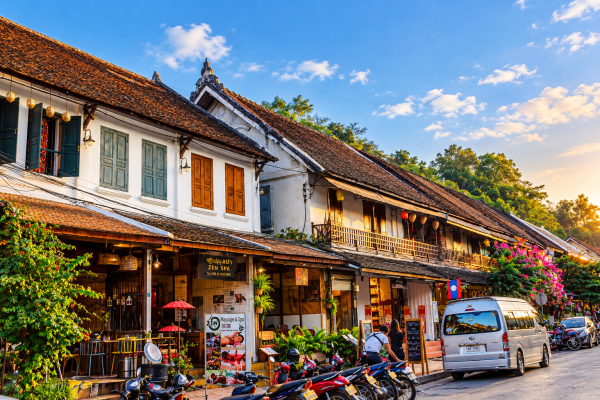
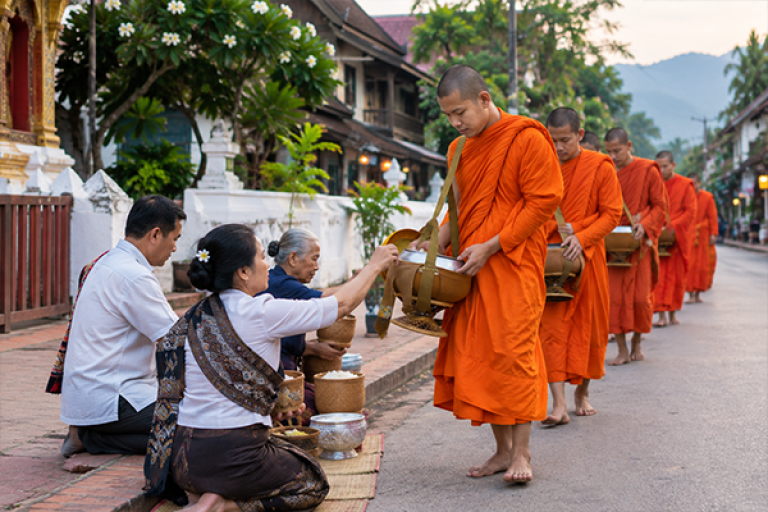
Situated on a scenic peninsula where the Mekong and Nam Khan rivers meet. Once the royal capital of Laos, the town is renowned for its beautifully preserved combination of traditional Lao architecture, Buddhist temples and elegant French colonial buildings. The relaxed atmosphere, surrounding mountains and rivers create a distinctive sense of place, while the town’s spiritual character is reflected in its many monasteries and the daily morning alms-giving ceremony. UNESCO recognises Luang Prabang for its exceptional fusion of Lao and European architectural traditions and its remarkably well-preserved historic townscape.
Getting to Luang Prabang is now considerably easier thanks to improved air and rail connections. Luang Prabang International Airport is only around four kilometres from the historic centre and receives flights from destinations within Laos and the wider region. For travellers already in Laos, the Laos–China Railway provides one of the fastest and most comfortable options, with high-speed services connecting Luang Prabang with Vientiane and Vang Vieng. The journey from Vientiane takes around two hours, while Vang Vieng is just over an hour away. The railway station is approximately 12 kilometres from the old town, with taxis and shared transfers available. Travellers seeking a slower experience can also reach Luang Prabang by road or take a traditional Mekong slow boat from the north.
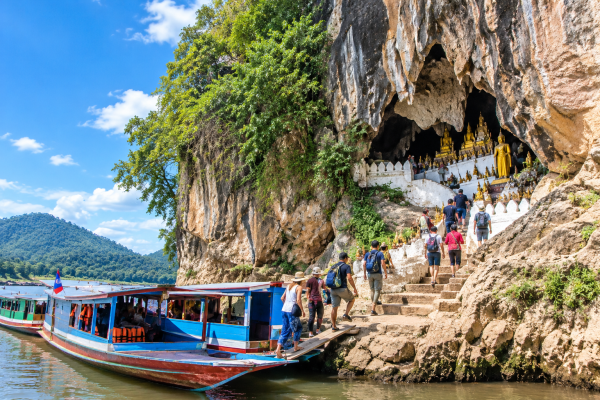
The historic centre is easily explored on foot, with Wat Xieng Thong, the former Royal Palace Museum, and Mount Phousi among its principal attractions. Wat Xieng Thong is particularly notable for its exquisite Lao Buddhist architecture, while Mount Phousi provides panoramic views over the town and surrounding mountains. The lively night market offers handicrafts, textiles and local foods, providing an excellent introduction to Lao culture. Beyond the town, Kuang Si Falls is a spectacular day-trip destination, famous for its turquoise limestone pools and forest setting. Other popular excursions include the Pak Ou Caves, traditional villages and boat trips along the Mekong, making Luang Prabang an ideal base for discovering both the cultural heritage and natural beauty of northern Laos.
The city has long been an important centre of Lao culture, Buddhism and traditional life. Visitors can explore magnificent temples, including Wat Xieng Thong, climb Mount Phousi for panoramic views, browse colourful markets and witness daily Buddhist traditions. The morning alms-giving ceremony, traditional crafts, local cuisine and riverside communities provide opportunities to experience the living culture of northern Laos.
Beyond the town itself, Luang Prabang offers spectacular natural attractions and memorable experiences. The turquoise pools and waterfalls of Kuang Si provide a refreshing escape, while the Mekong offers opportunities for scenic boat journeys and visits to riverside villages and historic sites. With its combination of culture, history, nature and warm hospitality, Luang Prabang remains one of Laos’ most captivating destinations.
Luang Prabang, once the royal capital of Laos, holds a unique place in the country’s history and cultural identity. For centuries, it served as the spiritual and political heart of the Lao kingdom, and its temples, palaces and traditional buildings reflect a rich royal heritage. The city’s distinctive character was further shaped by French colonial influence, creating a remarkable blend of Lao and European architecture.
At the centre of this heritage is the former Royal Palace, now the National Museum, which offers visitors a glimpse into the lives of Laos’ former kings and the country’s royal past. Magnificent temples such as Wat Xieng Thong, with its elaborate decoration and graceful architecture, demonstrate the close relationship between the monarchy and Buddhism. Mount Phousi, overlooking the historic town, has long provided an important spiritual and symbolic landmark.
Today, Luang Prabang preserves the atmosphere and traditions of a royal Lao city while embracing its role as one of Laos’ leading cultural destinations. Monks continue their daily rituals, traditional ceremonies remain an important part of community life, and historic streets retain their timeless charm. Recognised as a UNESCO World Heritage Site, Luang Prabang offers visitors a rare opportunity to experience Laos’ royal history, Buddhist traditions and enduring cultural heritage in one captivating destination.
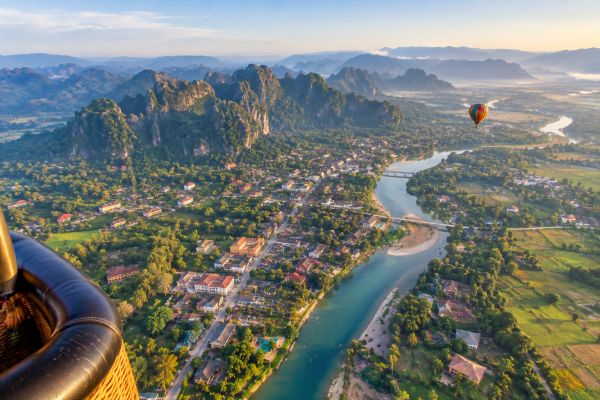
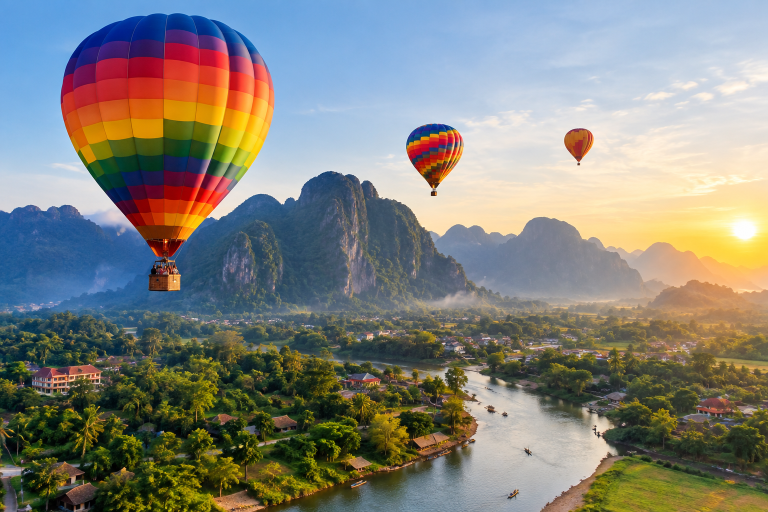
Vang Vieng
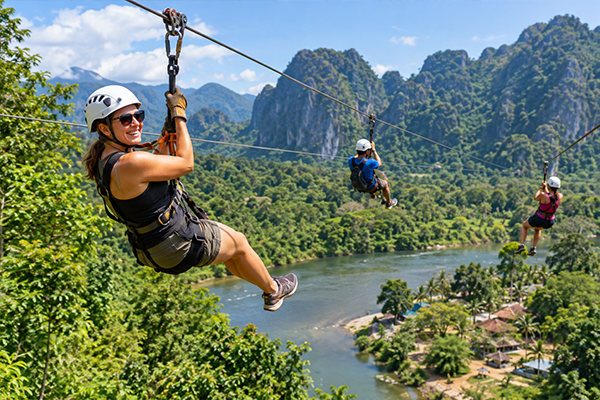
is a spectacular riverside town surrounded by limestone mountains, caves, lagoons and lush countryside, offering adventure, relaxation, kayaking, hiking and unforgettable natural scenery.
Located...
Vientiane
the peaceful Laos capital, blends historic temples, French colonial architecture, vibrant markets, Mekong riverside charm, and relaxed local life, offering visitors a fascinating cultural and...
The Plain of Jars
Is one of the most truly mystifying megalithic archaeological landscapes in the world, renowned for thousands of massive, prehistoric stone vessels scattered across hillsides, hinting...
The Bolaven Plateau
is a stunning, plateau in southern Laos famous for its cool climate, cascading waterfalls, and lush coffee plantations, making it a paradise for nature lovers.
Rising dramatically from...
The 4,000 Islands
known in Lao as Si Phan Don, forms a tranquil Mekong archipelago in southern Laos, renowned for tropical scenery, peaceful islands, waterfalls, traditional villages and relaxed riverside...
Thakhek
The capital of Khammouane Province in central Laos, is a charming riverside town situated on the Mekong River opposite Thailand and known for its French colonial architecture, relaxed atmosphere...
Luang Namtha
the gateway to spectacular mountains, forests and ethnic villages. Its diverse hill tribes preserve distinctive traditions, crafts and ways of life, offering visitors authentic cultural experiences.
Luang...